
The Gift of Disharmony
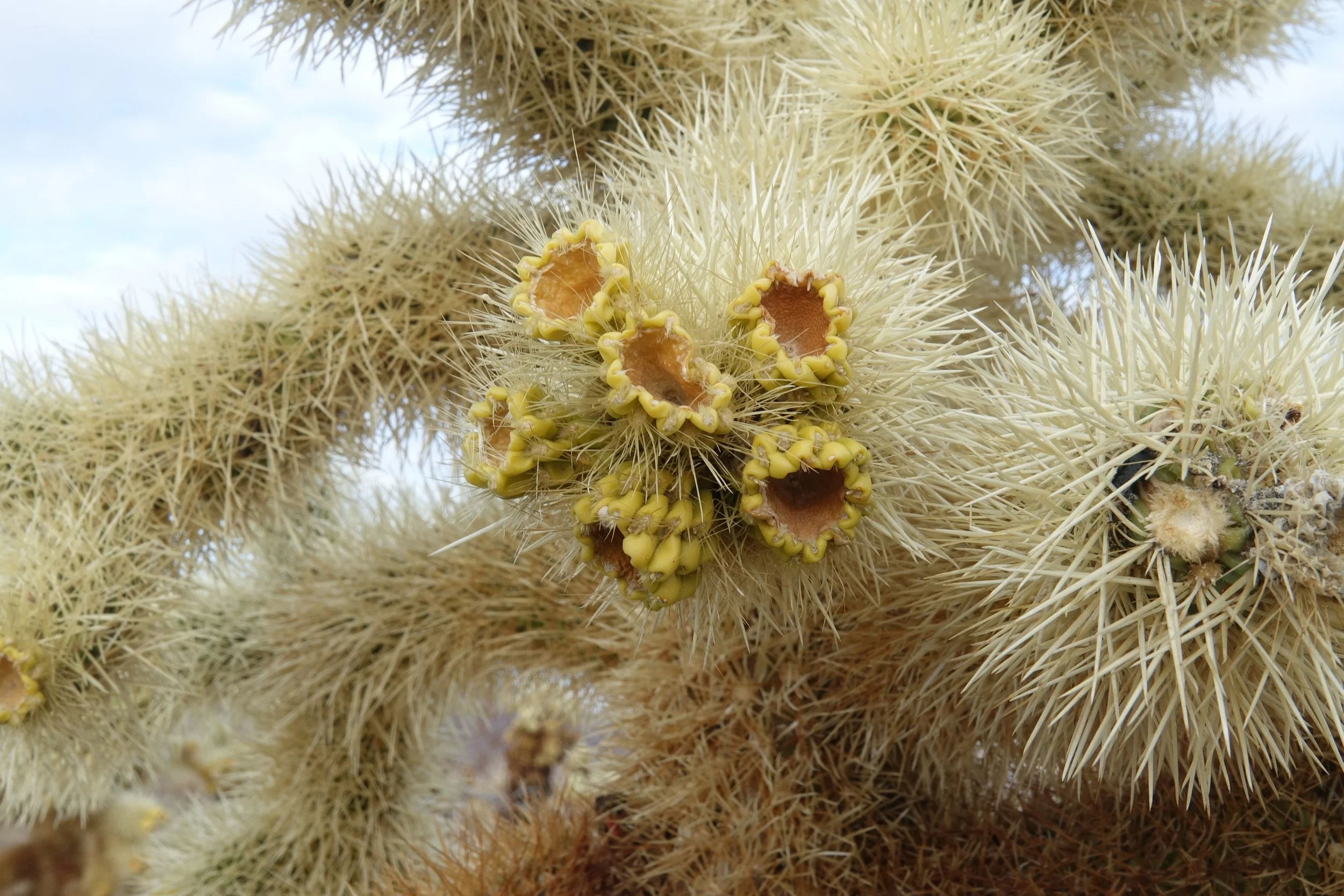
Teddy bear cactus in Joshua National Park
As much as we cherish moments of harmony, life often unfolds as a turbulent dance of change. It moves and spirals like a river, constantly shifting, challenging us at every turn. While we might turn away from global conflicts, we cannot escape the disharmony that stirs within our closest relationships—or within ourselves.
Recently, I witnessed an intense dispute between two neighbors. Emotions surged like fire: anger, hurt, tears, and yelling filled the air. What struck me most was how the surface disagreement seemed to ignite something far deeper—a buried trauma within each of them. Yet, in the heat of the moment, their pain and self-protective walls blocked any chance of connection or understanding.
This microcosm of conflict mirrors the larger struggles playing out on the world stage. Just as international tensions are often rooted in histories spanning generations, so too are the conflicts between us, shaped by patterns and wounds that run deep.
A Path Back to Harmony
Perhaps the way back to harmony is not by avoiding disharmony but by meeting it—courageously, compassionately, and with curiosity. Disharmony offers us a profound invitation to learn more about ourselves. But to accept this invitation, we must be willing to dive into its depths, even when it feels uncomfortable.
We might start by asking ourselves:
What emotions is this situation awakening in me?
When have I felt this way before? Is there a pattern here?
What is my deepest fear hiding beneath it all?
There’s no need to rush. Healing these wounds is often the journey of a lifetime. Instead of forcing resolution, we can simply hold space for the disharmony. Look at it tenderly, as you would a seedling, a kitten, or a newborn. Let your attention soften around it, allowing it the care and patience it needs to unfurl.
Disharmony as a Doorway
Disharmony is not the end of the story—it’s a doorway. By stepping through with open hearts, we discover the deeper truths of our pain, fears, and desires. We come to understand that even in conflict, there is a chance to grow, connect, and ultimately, to heal.
Harmony, then, is not a fixed state but a living process—a delicate balance between acknowledging the shadows and leaning toward the light.